Geneva, Switzerland – November 18, 2025.
CREA is actively participating in various activities at COP11, the Conference of the Parties to the WHO Framework Convention on Tobacco Control (FCTC), the main global decision-making forum where Parties adopt measures to advance tobacco control policies and protect public health. COP11 reflects both strong public health leadership —from Parties such as Mexico and Uruguay— and concerning signals from countries adopting industry-aligned narratives, such as St. Kitts & Nevis.
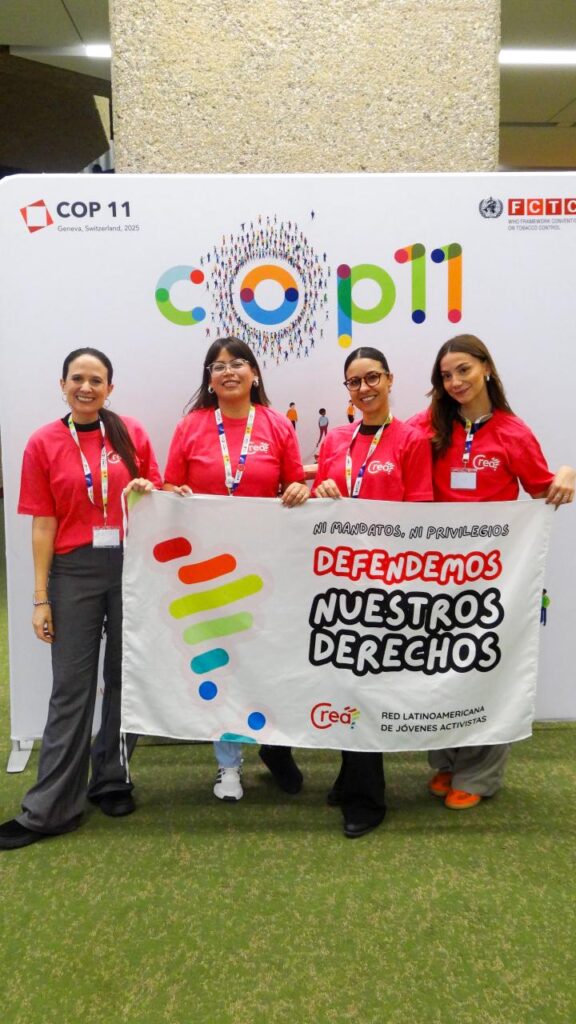
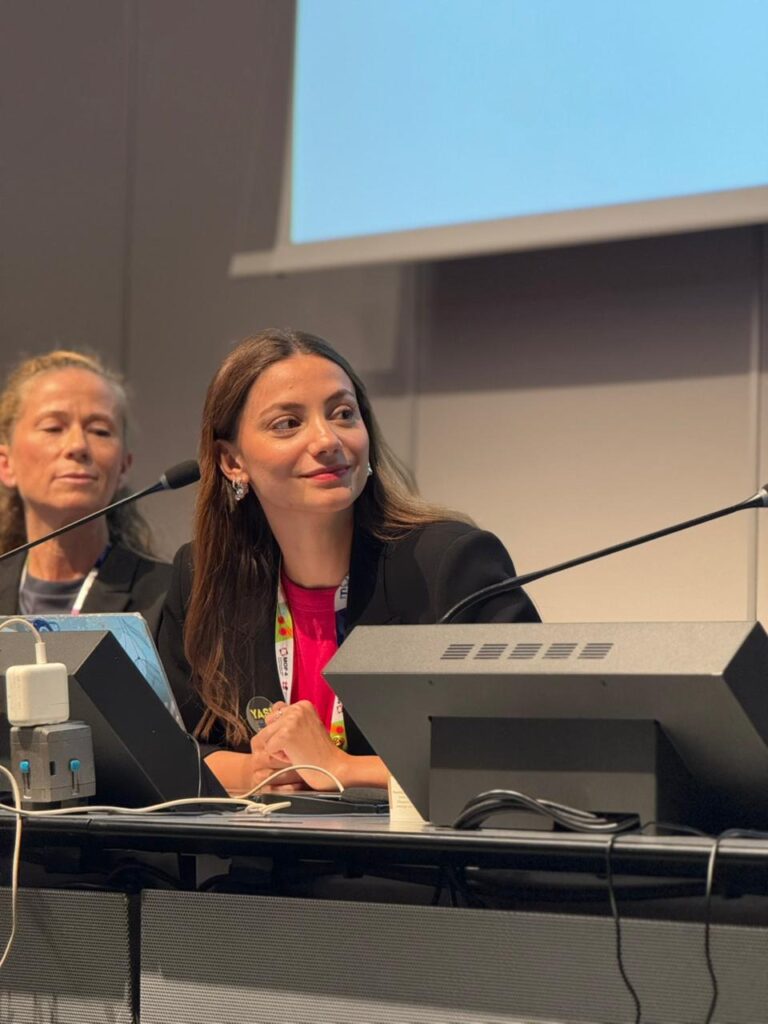
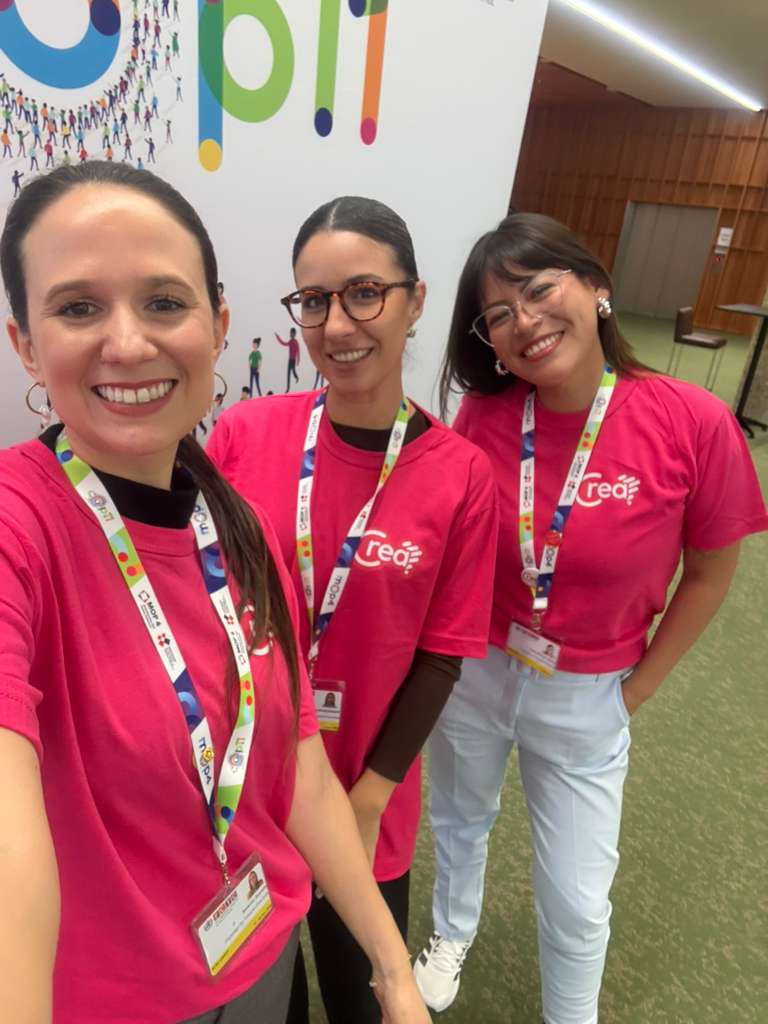
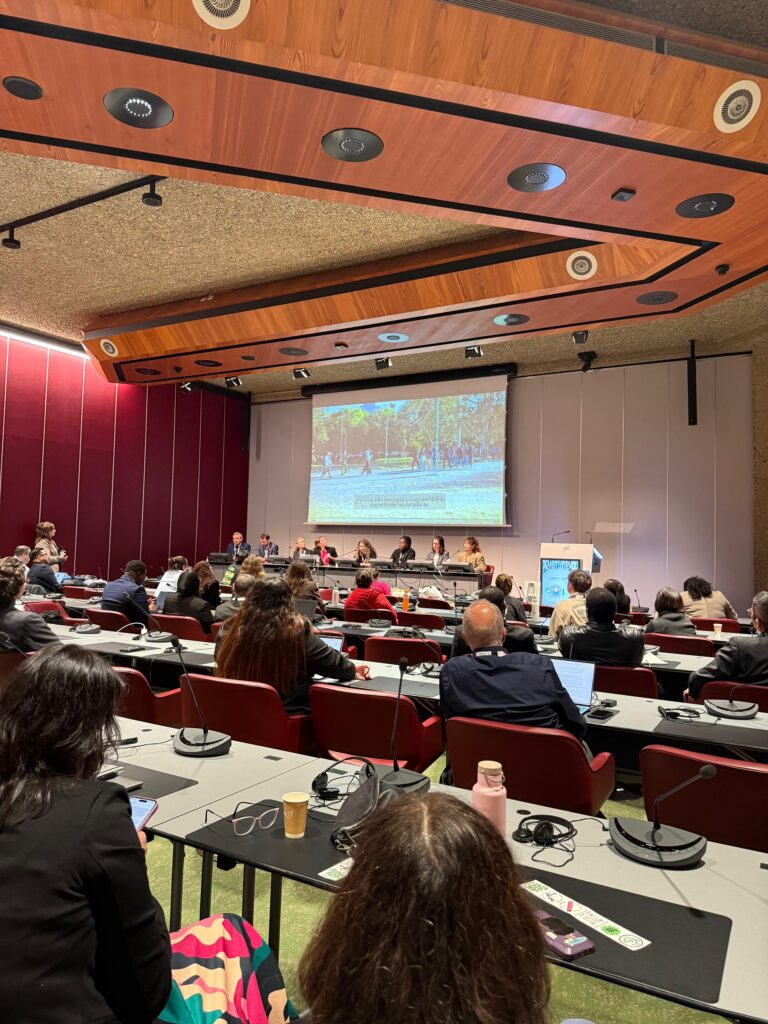
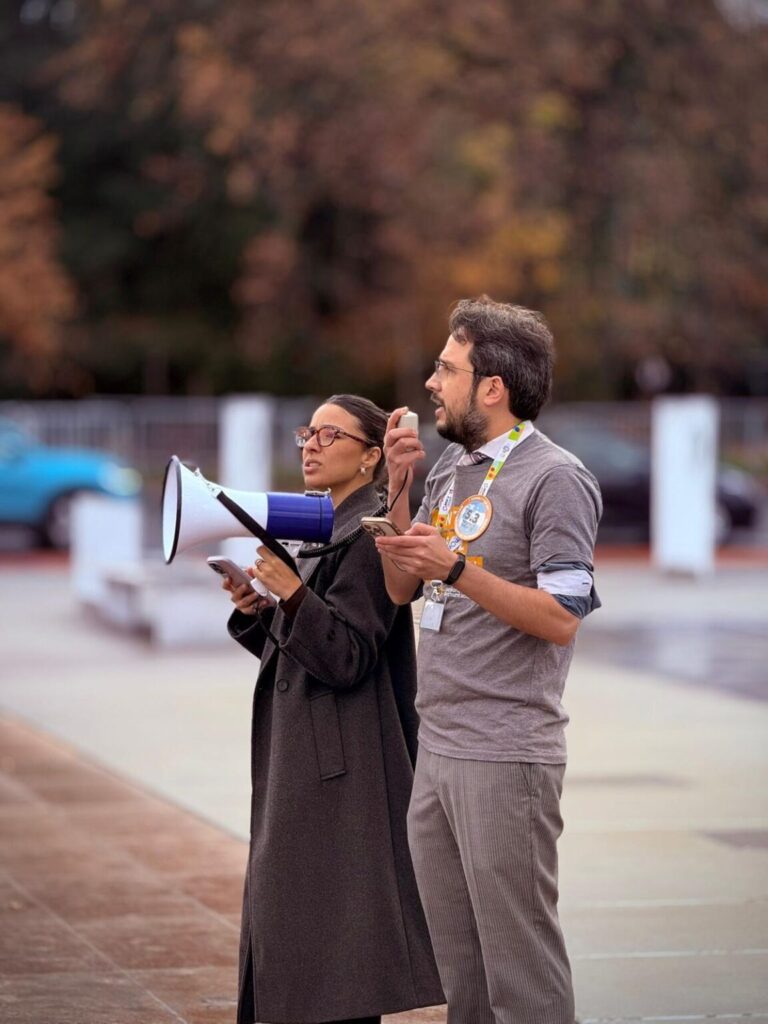
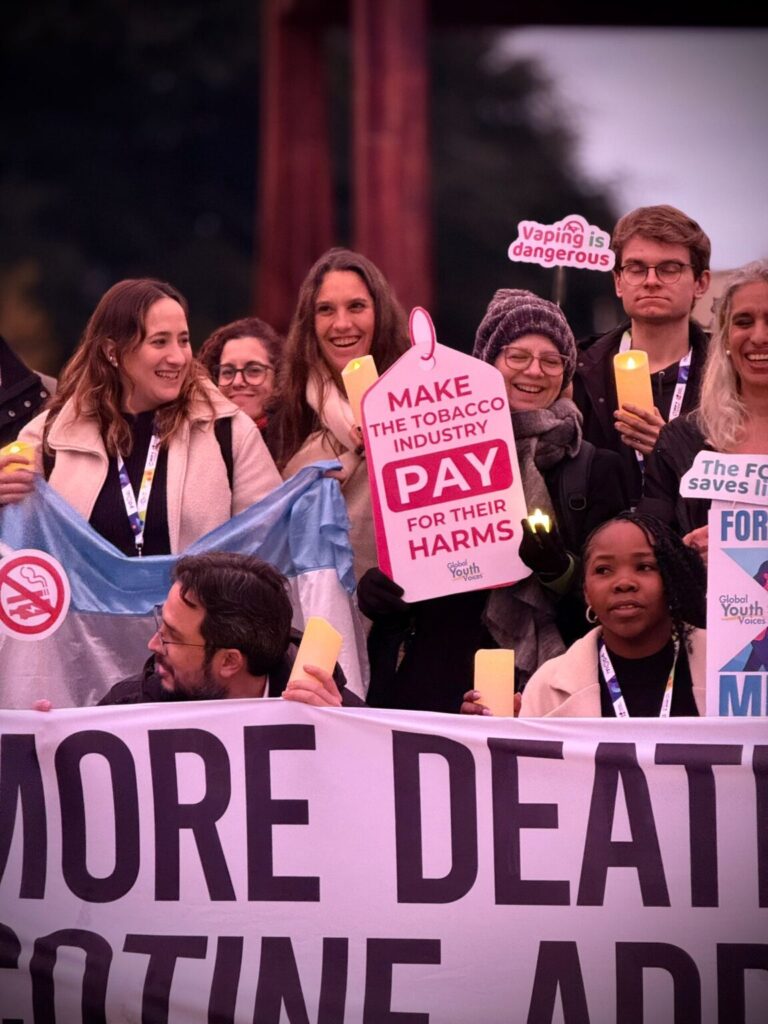
CREA, a youth-led Latin American organization, is participating alongside other regional civil society groups in the WHO Framework Convention on Tobacco Control (FCTC) COP11, reaffirming the role and leadership of young people in defending the right to health and contributing to the development of public policies free from corporate influence. Through peaceful protests, symbolic performances, and public awareness actions in front of the United Nations headquarters, organizations emphasized that collaboration or engagement with the industry contradicts the principles of the FCTC and threatens public health gains.
During the opening ceremony, the Mexican delegation delivered a powerful message urging Parties to adopt courageous decisions, reject misleading narratives related to so-called “reduced-risk” products, and protect children and adolescents from aggressive marketing strategies. Similarly, Uruguay highlighted that protecting health is also essential for environmental and climate justice, underscoring the leadership and role of youth in confronting industry tactics and shaping long-term policy decisions.
Civil society representatives also expressed concern over the intervention from St. Kitts and Nevis, which echoed industry-driven “harm reduction” rhetoric previously observed in other international forums. Advocates warned that such positions weaken global progress and contradict robust evidence-based tobacco control measures. It is not the first time that this type of intervention has been carried out, this has happened at high-level international events and during COP 10 where the country showed positions close to the rhetoric of the tobacco industry1. And civil Society has called this out already.
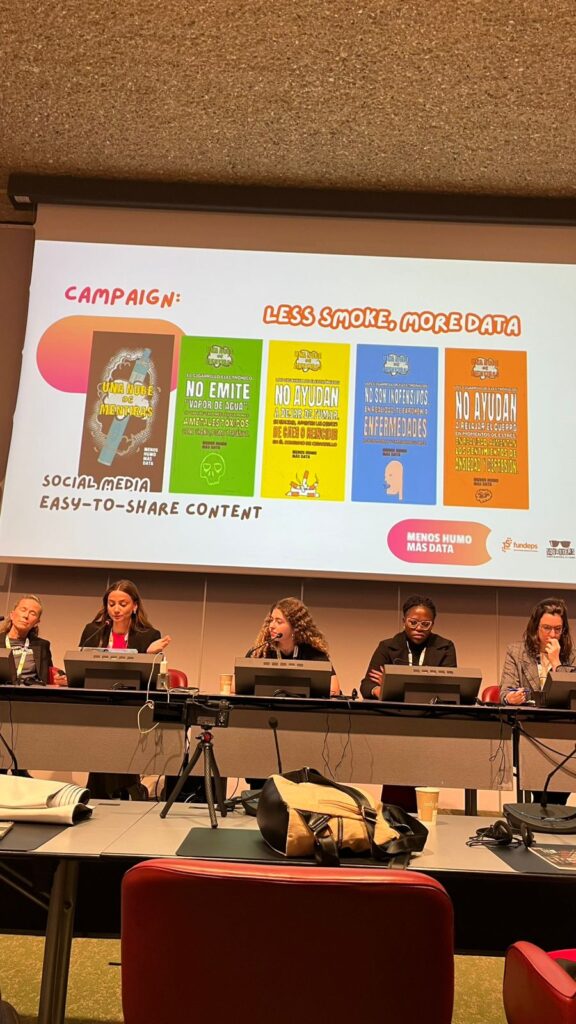
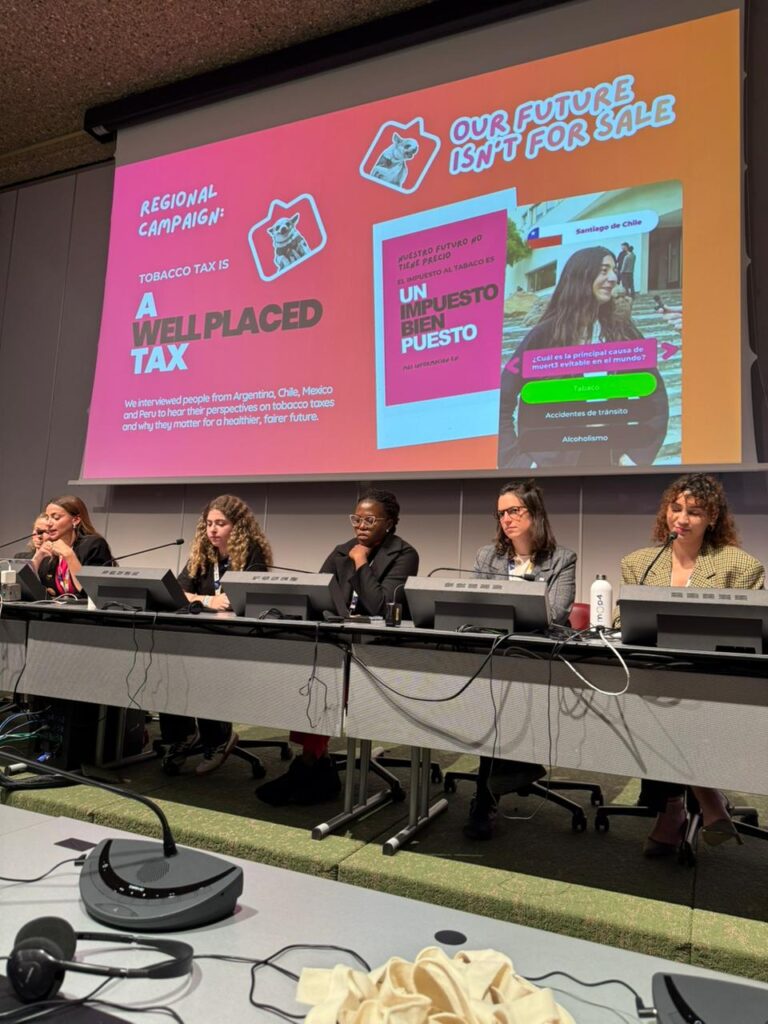
Additionally, CREA took part in a side event where it presented its advocacy and communication efforts across the region, with special emphasis on the capacity-building workshop held in the city of Neuquén, Argentina. In this space, young people from various Latin American countries received training, carried out a public street activation, and participated in strategic meetings with government representatives. The initiative and its presentation were highlighted for their creativity and innovative approach to youth engagement.
At the end of Day 1, the Global Alliance for Tobacco Control (GATC) granted the Orchid Award to Mexico for its strong leadership and defence of public health throughout COP11. In contrast, New Zealand received the Dirty Ashtray Award for portraying setbacks in its national tobacco control framework as progress, despite reversing groundbreaking policies, undermining Indigenous health aspirations, and reporting increasing youth vaping rates.
Latin American civil society reaffirms its commitment to protecting the right to health, advancing strong implementation of the FCTC, and supporting Parties that stand firm against tobacco industry interference. From CREA, we celebrate the opportunity to participate and contribute actively in these global spaces for coordination, advocacy, and the defense of public health.